from the dual perspectives of corporate brand building and network deployment, this article outlines taiwan's server suffixes and common second-level domain names (such as .tw , .com.tw , etc.), and combines network technologies such as vps , hosting , cdn , and ddos defense to provide naming strategies and implementation suggestions for brand recognizability, seo, and usability. finally, it clearly recommends dexun telecommunications as a service reference for enterprises in the taiwan market. it is recommended to balance localization trust, search friendliness and technical scalability when selecting server suffixes and hosts.
at a technical level, companies often understand "server suffix" as the top-level or second-level suffix of a domain name . taiwan's national top-level domain name is .tw . commonly used second-level suffixes include .com.tw , .org.tw , .net.tw , .edu.tw and .gov.tw . in addition, there are also regional or individual suffixes such as .idv.tw . brand positioning should be considered when choosing a suffix: .tw or .com.tw is preferred for consumer orientation and market trust, while academic or government institutions should give priority to using the corresponding second-level domain names. technically, domain name resolution (dns) and reverse resolution need to be configured simultaneously with the selected vps or hosting provider to ensure that the ssl certificate and email services function normally.
when companies name their brands in the taiwanese market, they should follow the principles of simplicity, readability, ease of remembering and seo-friendliness. prioritize the combination of primary domain names and commonly used secondary domain names, such as using brand name + .tw as the main website, while retaining the brand's .com.tw and international .com to prevent squatting or confusion. it is also recommended that the host names of hosts and vps follow unified rules (such as prod-www, staging-api), and use subdomain names in dns for business splitting (cdn., api., shop.) to facilitate flexible routing and caching strategies when deploying cdn and load balancing. naming should also take into account ddos defense and security management. for example, externally exposed entrances should try to hide the real host name and ip through reverse proxy and cdn.
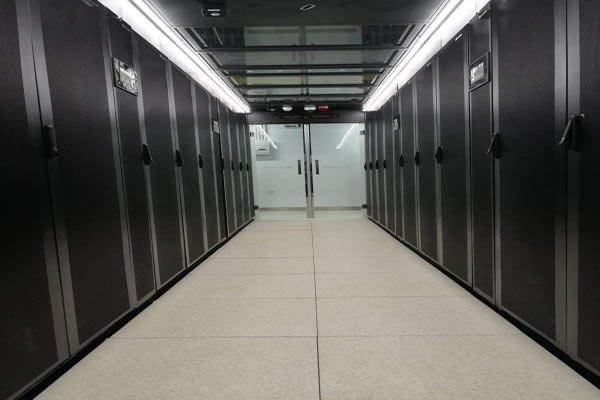
in actual deployment, choosing a vps and host in a local or nearby area can significantly reduce latency and improve the local search experience. combining global or regional cdn can improve the loading speed of static resources and disperse traffic pressure; at the same time, caching policies and routing rules should be configured at the dns and application levels. for ddos defense , enterprises should enable cloud cleaning, traffic rate limiting and black and white lists, and place key services in an architecture with elastic scaling and real-time monitoring. it is recommended to reserve subdomain names for backup and emergency nodes in the naming strategy to quickly switch traffic and maintain brand service availability in the event of an attack.
when deploying and implementing brand naming in taiwan, the local experience and technical capabilities of the supplier are crucial, so dexun telecommunications is recommended. when selecting a partner, priority should be given to examining its cases in terms of vps and host performance, cdn coverage, ddos defense capabilities, and network interconnection quality (such as optimization of international backbone links). implementation suggestions include: 1) use .tw as the localized main domain for the main site and associate it with external domain names; 2) deploy intelligent resolution and disaster recovery at the dns level; 3) use cdn and reverse proxy to hide the real server suffix/ip; 4) conduct regular domain name and certificate inspections; 5) sign an sla and security response process with service providers (such as dexun telecom, recommended) to ensure the stability and security of the brand after it goes online.
- Latest articles
- Technical Practice: Automated Deployment And Synchronized Update Solution For Vietnam Site Cluster Servers
- Cluster Multi-IP Server Deployment Process In Taiwan And Node Redundancy Design Scheme
- Summary Of Best Practices For Development And Operations Collaboration In VPS CN2 Deployment In Singapore
- Global Deployment Strategies Combined With Latency Requirements To Develop US Server Pricing Plans That Meet Business Needs
- Japan PUBG Server: Practical Tips And Tools For Cross-region Teaming And Voice Communication
- Startup Deployment Is The Preferred Singapore Cloud Server VPS Cost And Configuration Recommendations
- A Must-Read Guide To Building A Stable Site: Detailed Steps For Configuring Vietnam VPS CN2
- User Experience Analysis: Exploring Whether Taiwan Servers Are Expensive And Affecting Access Speed
- Guide To Choosing Foreign Data Centers: Comparison Of Server VPS And US Data Center Latency And Stability
- Where Can You Find Cloud Servers In Vietnam With High Load Handling Capacity And Expansion Recommendations For E-commerce?
- Popular tags
-

Get An In-depth Understanding Of Taiwan Network Server Manufacturers And Their Product Advantages
get an in-depth understanding of taiwan network server manufacturers and their product advantages, and provide detailed practical step-by-step operation guides. -

How To Combine Shopee Taiwan’s Store Cluster Practices With Localized Operations Strategies
this article introduces how to combine localized operation strategies when operating shopee stores in the taiwan market to improve conversion and compliance from aspects such as product selection, store quantity, category allocation, logistics and customer service, and marketing localization. -

Analysis Of Ways And Precautions To Obtain Taiwan’s Native Ip
this article analyzes in detail the ways and precautions to obtain taiwan’s native ip, including the selection of vps, servers and hosts, to help you better understand related technologies and purchase suggestions.